Event Report Energy and the Environment
NEXTGEN NUCLEAR TALKS: Radiant Voices Shaping the Future
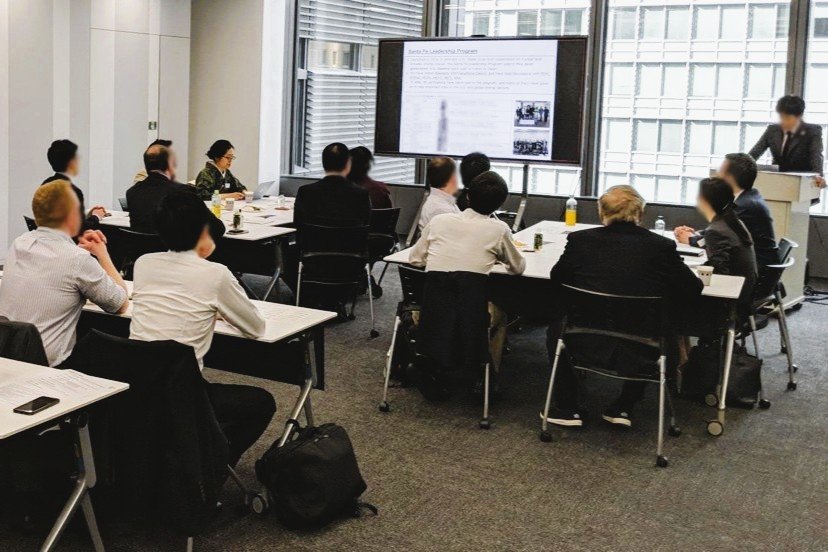
February 20, 2026,
15:00
- 18:00
Venue: Canon Institute for Global Studies (CIGS) Meeting Room
WPA, a U.S.-based international consulting firm, has hosted the Santa Fe Seminars since 1997 to promote U.S.-Japan cooperation and networking in the energy sector. In 2016, the Santa Fe Leadership Program was launched with a focus on engaging younger generations. The program invites young nuclear professionals from the U.S. to tour facilities in Japan, such as the Fukushima Daiichi Nuclear Power Station and the nuclear fuel cycle facilities in Rokkasho Village, Aomori Prefecture, and talk with government agencies and research institutions.
This year, as a new initiative, a forum for open dialogue with young Japanese counterparts was held on the final day of the program. Titled “NextGen Nuclear Talks,” this session, conducted under Chatham House Rules, allowed people from power utilities, manufacturers, industry groups, NGOs, private companies in energy and decarbonization sectors, and regulatory experts from both countries to dive into candid discussions concerning nuclear development. Participants also actively engaged in building personal relationships, in line with the opening remarks from WPA Chairman Martin, which emphasized the importance of strengthening U.S.-Japan cooperation and trust.
<Overview>
-Co-Hosts: Washington Policy and Analysis (WPA) & the Young Generation Network (YGN) of the Atomic Energy Society of Japan (AESJ)
-Date & Time: Tuesday, February 20, 2026 | 15:00 – 18:00
-Venue: Canon Institute for Global Studies (CIGS)
-Organizer: Research Fellow, Rin Watanabe, Canon Institute for Global Studies (CIGS)
-Format: In-person only
<Program>
| 15:00- | Opening remarks |
| 15:05- | Opening speech by WPA Chairman Hon. William Martin |
| 15:10- | Icebreaker |
| 15:30- | Keynote 1: Key Challenges in Japan |
| 15:35- | Keynote 2: Key Challenges in the U.S. |
| 15:40- | Nextgen talk 1 “The largest challenge Japan faces in nuclear development” |
| 16:15- | Nextgen talk 2 “The most promising avenue for U.S.-Japan cooperation” |
| 16:45- | Wrap-up of discussion and closing remarks |
| 17:00- | Networking reception |
<Highlights of the discussion>
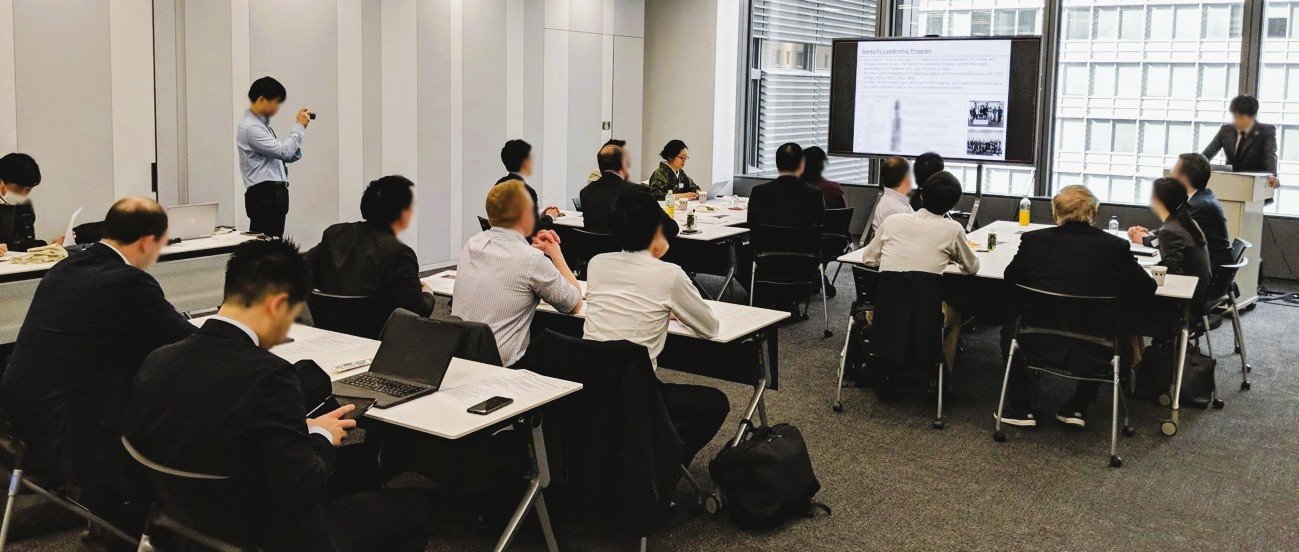
The discussion featured various points including:
Nuclear Regulation and Public Policy
- Proactive vs. reactive regulation: Japan’s nuclear regulation seems to be overly reactive. For development to progress, there must be a more proactive stance.
- The “Strictest Standards” dilemma: One factor driving reactive regulation is the emphasis on having the “strictest regulations in the world,” which can be seen as a communication strategy to gain public acceptance. There is a need for more fundamental debates that acknowledge risks inherent in nuclear activities and the need for regulation. Japan needs to identify what is at risk, what would constitute an acceptable level of those risks, and how those levels can be achieved and verified.
- Regulatory reform is difficult, even in countries that don’t have major accident histories. Everyone has issues with a regulator. It is crucial to start identifying and working on concrete points that would make the regulatory structure more effective.
- Responsibilities of commissioners: While it is vital to judge safety based on objective, scientific views, there may also be a need to re-evaluate the roles and responsibilities of the commissioners appointed to the Nuclear Regulation Authority.
- The need of a platform for reviewing regulation: Japan currently lacks an official platform to verify and review the status of its regulatory framework. Establishing such a forum may be a critical first step toward reform.
- Barriers to Communication: Japan’s regulatory bodies suffer from a lack of communication due to its focus on “independence.” Furthermore, staff are often overwhelmed by tasks not essential to nuclear safety, leaving little room to pursue meaningful reform.
U.S. Advanced Reactor Development
- Ambitious development: In the U.S., the development of advanced reactors is progressing ambitiously under Department of Energy (DOE) and Department of War (DOW) programs. This is partly due to the rare bipartisan support for nuclear in the U.S.
- Meanwhile, the developers participating in these programs have a more realistic long-term outlook, especially concerning commercialization.
- Ongoing efforts of regulatory modernization: While recent announcements of bold regulatory reforms in the U.S. have garnered media attention, it should be noted that the “optimization” and “modernization” processes pursued from the past decades are the more essential parts of an efficient development program.
- Collaborative ecosystem: Close communication between the DOE, DOW, and the Nuclear Regulatory Commission (NRC)—including personnel exchanges and engagement with regulated entities—plays an important role in effective and safe development.
Avenues for Japan-U.S. Cooperation
- Regulation: It is essential to increase cooperation and exchange between the regulatory bodies of Japan and the U.S. beyond current levels.
- Beyond Tier 1 & 2 Companies: Supply chain cooperation should not be limited to major corporations; it must extend to the entire supply chain, including small and medium-sized enterprises. This will require increased standardization and the alignment of technical codes.
- Global market not a zero-sum game: Global demand for nuclear power is expanding. As a manufacturer, if you can deliver, there will be demand. There is ample room in the global market for both U.S. and Japanese suppliers.
- For the Japanese nuclear supply chain to survive, it must successfully integrate into the international market.
- Unlocking buried value: Japan possesses data, expertise, and assets regarding a variety of reactor types, fuels, and materials. However, much of these legacies are currently a burden for managing entities, since there is no recognized value. There may be potential for this knowledge to be utilized in the U.S. or globally, for example through better communication between Japanese research institutions and U.S. National Laboratories.
<Related Links>
Washington Policy Analysis: https://www.dcpolicyanalysis.com/
Young Generation Network (YGN) of the Atomic Energy Society of Japan (AESJ): https://aesj-ygn.org/