Event Report Energy and the Environment
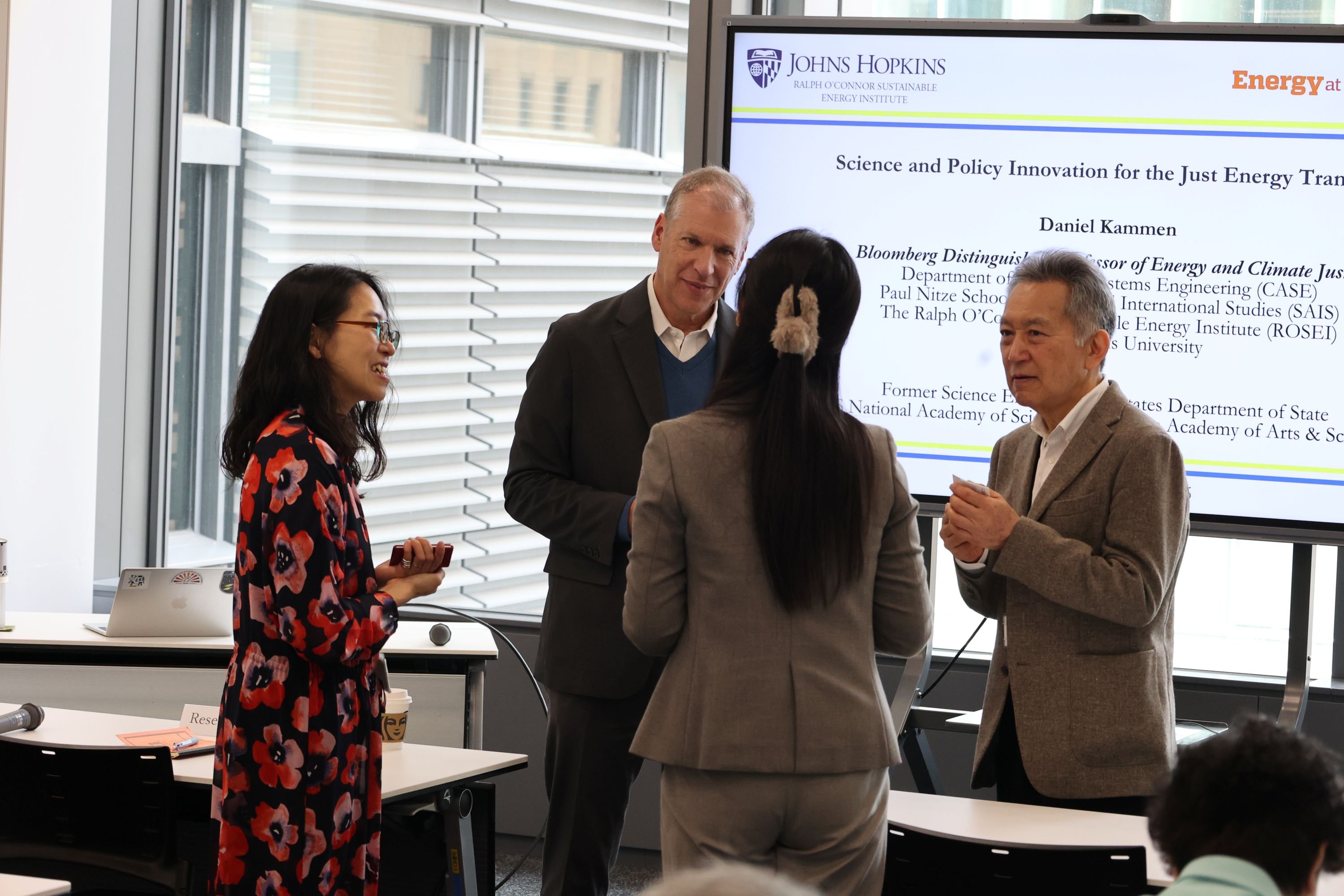
The Global Energy Transition and Implications for Japan - Seminar with Professor Daniel Kammen

February 17, 2026,
10:30
- 12:00
Venue: Canon Institute for Global Studies (CIGS) Meeting Room
-Date & Time: Tuesday, February 17, 2026 | 10:30 AM – 12:00 Noon
-Venue: Canon Institute for Global Studies (CIGS)
-Format: In-person only
<Program>
| 10:30 – 11:10 | Lecture by Professor Daniel Kammen |
| 11:10 – 12:00 | Group Discussion with Participants |
<Overview of lecture>
After providing an overview of the Trump administration’s policy trends and their impact on energy policy as well as society in general, the lecture discussed the potential for socially just energy development. In particular, it was argued that—in response to shifts in the supply-demand balance caused by the integration of renewable energy (such as daytime oversupply)—it is essential to move beyond the economic interests of existing stakeholders, such as the utilities. Instead, innovative technologies and market solutions must be leveraged to ensure that more people can access electricity more affordably and reliably. The means of such a transition was illustrated using existing examples. To realize these objectives, interdisciplinary, cross-sectoral dialogue among stakeholders, and the open-sourcing of software that provides accessible modeling of power infrastructure were mentioned as concrete steps forward. Regarding nuclear power, results from a recent study were introduced, noting that future trends in the construction costs of large-scale reactors in China and South Korea will be a decisive factor for the global outlook.
The lecture slides can be downloaded here:
<Highlights of the discussion>
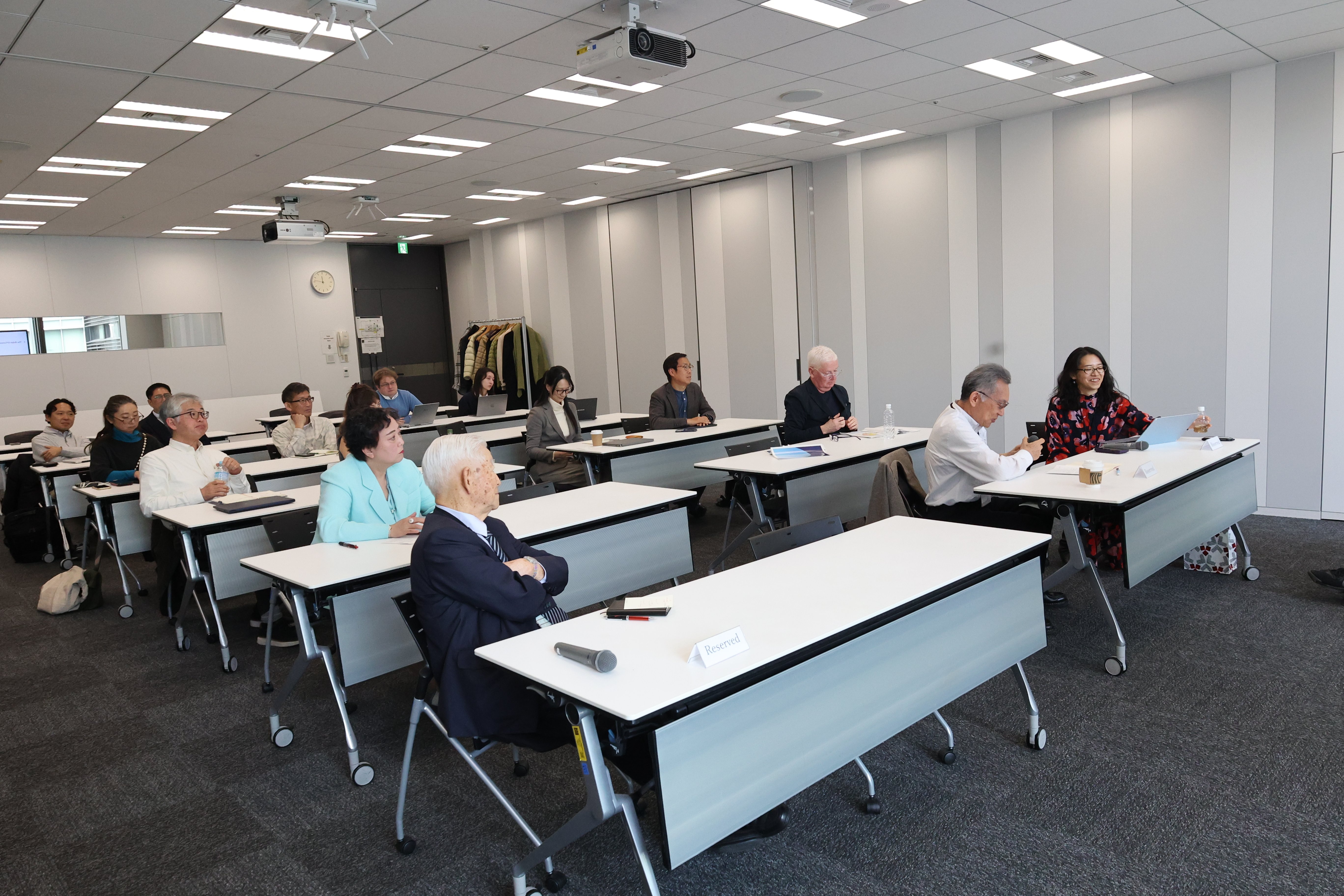
The discussion featured a wide range of inquiries from participants, covering topics such as the impact of generative AI on energy issues and policies in the U.S. and globally, as well as the outlook for renewable energy policy under the Trump administration and future U.S. leadership.
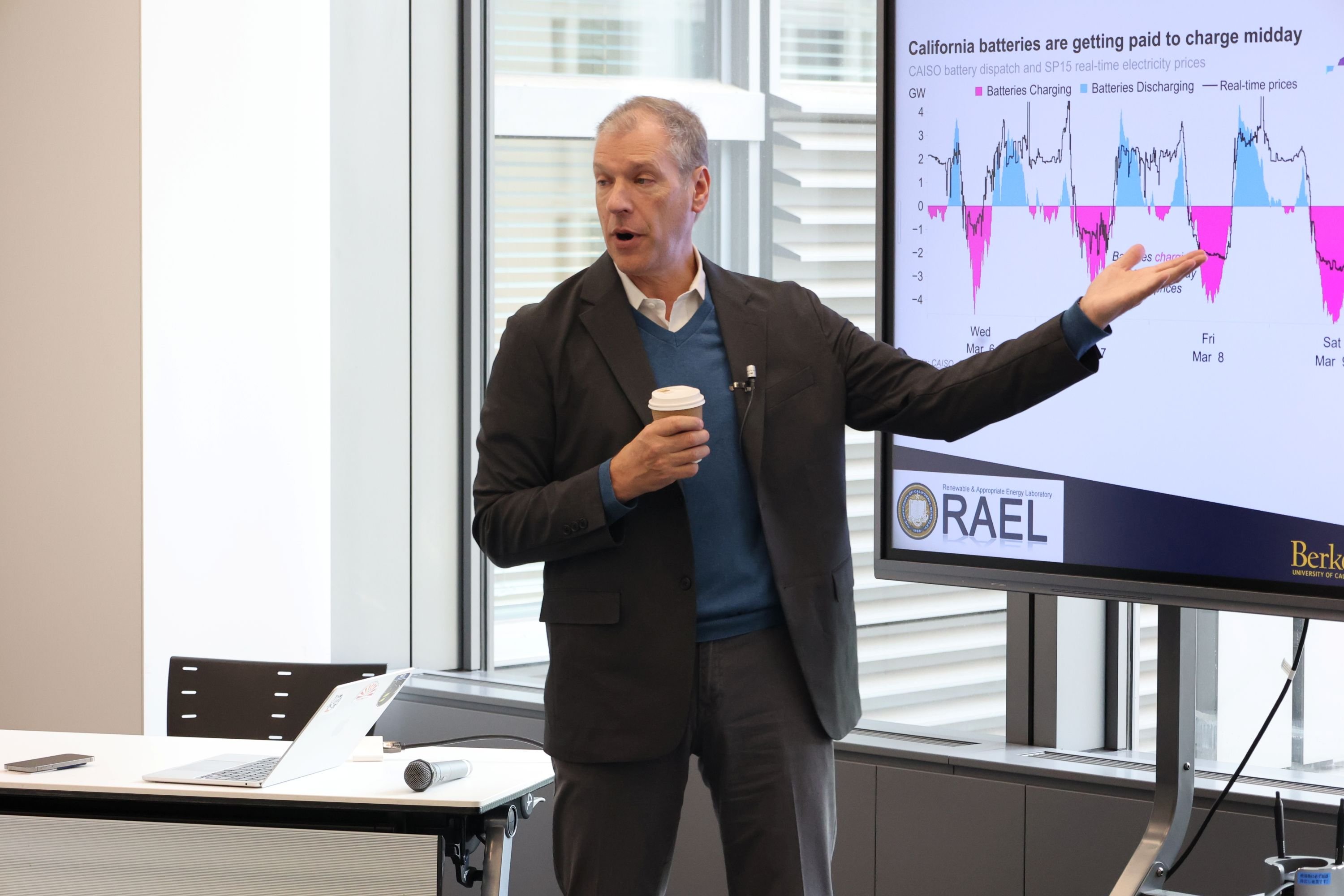
A notable segment of the dialogue focused on Small Modular Reactors (SMRs). In response to a suggestion from the audience that SMR development could fundamentally shift the values of nuclear technology, Professor Kammen urged a more measured evaluation.
He noted that it is important to analyze the inherent challenges in large-scale light water reactor technology, and critically examine which problems downsizing can actually solve. Specifically, he noted that issues regarding waste management, safety, nuclear non-proliferation, security, and regulatory hurdles may not be fully resolved simply by making reactors smaller or modular. He also suggested that the current SMR development hype owes largely to its boom as an outlet for investment. Miniaturization and modularization could be solving problems for investors more than they are solving problems for society as a whole.
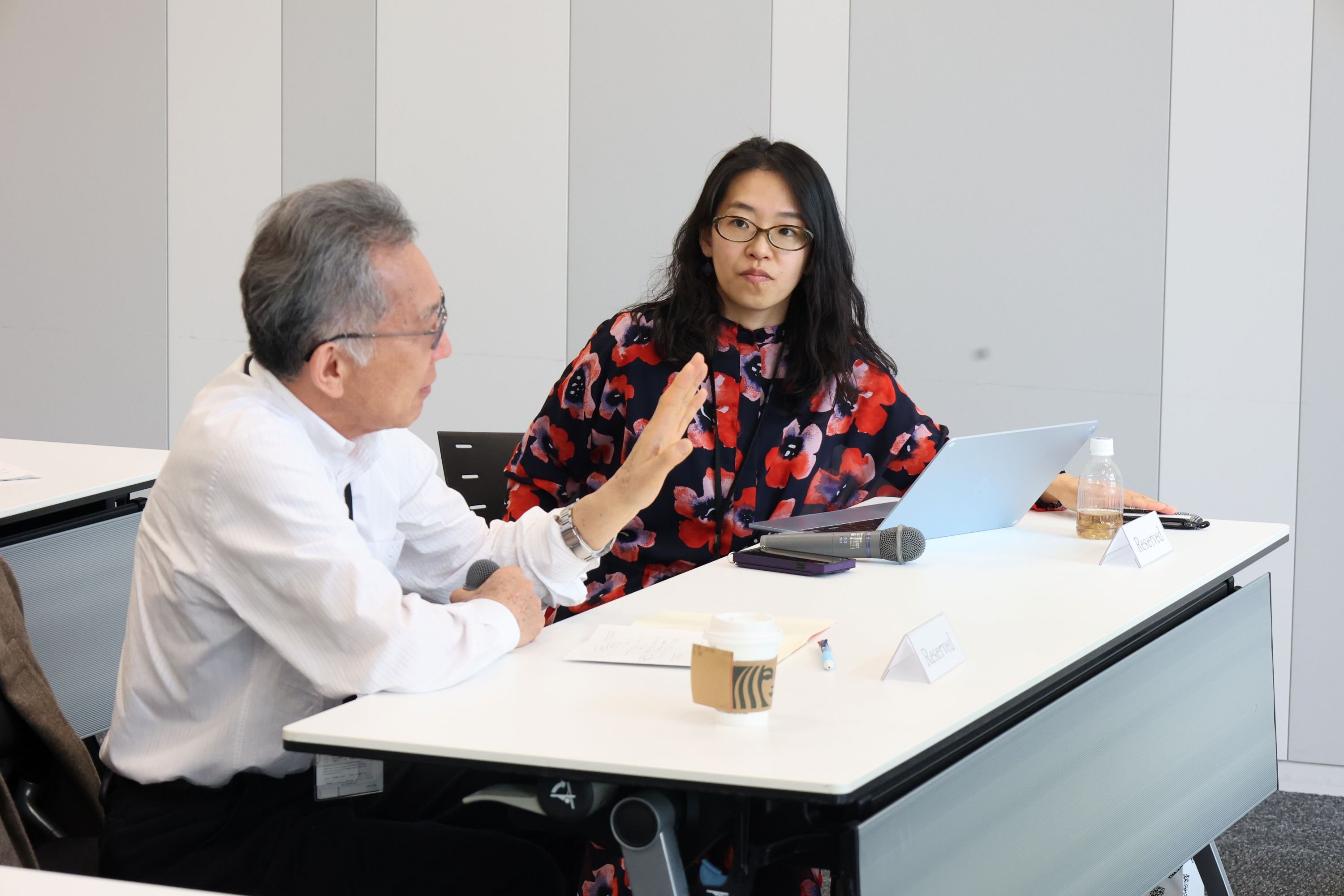
When asked about nuclear fusion, Professor Kammen expressed a positive outlook, highlighting how it fundamentally addresses the concerns associated with fission, such as waste disposal, non-proliferation, security, and safety. He mentioned that these unique characteristics allow for several "killer applications"—high-demand uses, such as space exploration, that can only be addressed through fusion technology. He concluded that if the remaining technical hurdles can be overcome, fusion remains a highly promising technology for the future.
|
<Related Links>
Professor Daniel Kammen’s Homepage: https://kammen.berkeley.edu
Renewable and Appropriate Energy Laboratory (RAEL): https://rael.berkeley.edu
John Hopkins University Homepage: https://engineering.jhu.edu/faculty/daniel-kammen/
Interview at JHU: https://energyinstitute.jhu.edu/rosei-researcher-qa-daniel-kammen/